One Year Later: The Moss Landing Disaster Isn’t Over, But California Leaders Keep Greenlighting New Battery Projects
On January 16, 2025, the Moss Landing power facility, the world’s largest lithium ion battery storage facility owned by Vistra Energy, erupted in a series of explosions and a massive fire that forced evacuations, blanketed neighborhoods in smoke, and triggered a local state of emergency. Twelve months later, the community is still living with the consequences, and many say state leaders have not learned the right lessons regarding the dangers of these battery energy storage systems (BESS) facilities which have popped up all over California.
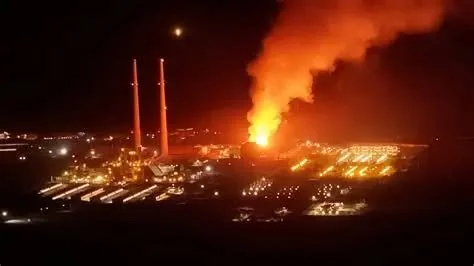
The fire began in the facility’s 300 megawatt building, then flared up repeatedly, including the next day and again weeks later. Flames reached 30 feet high, and more than 1,200 residents were ordered to evacuate as toxic smoke drifted across North Monterey County.
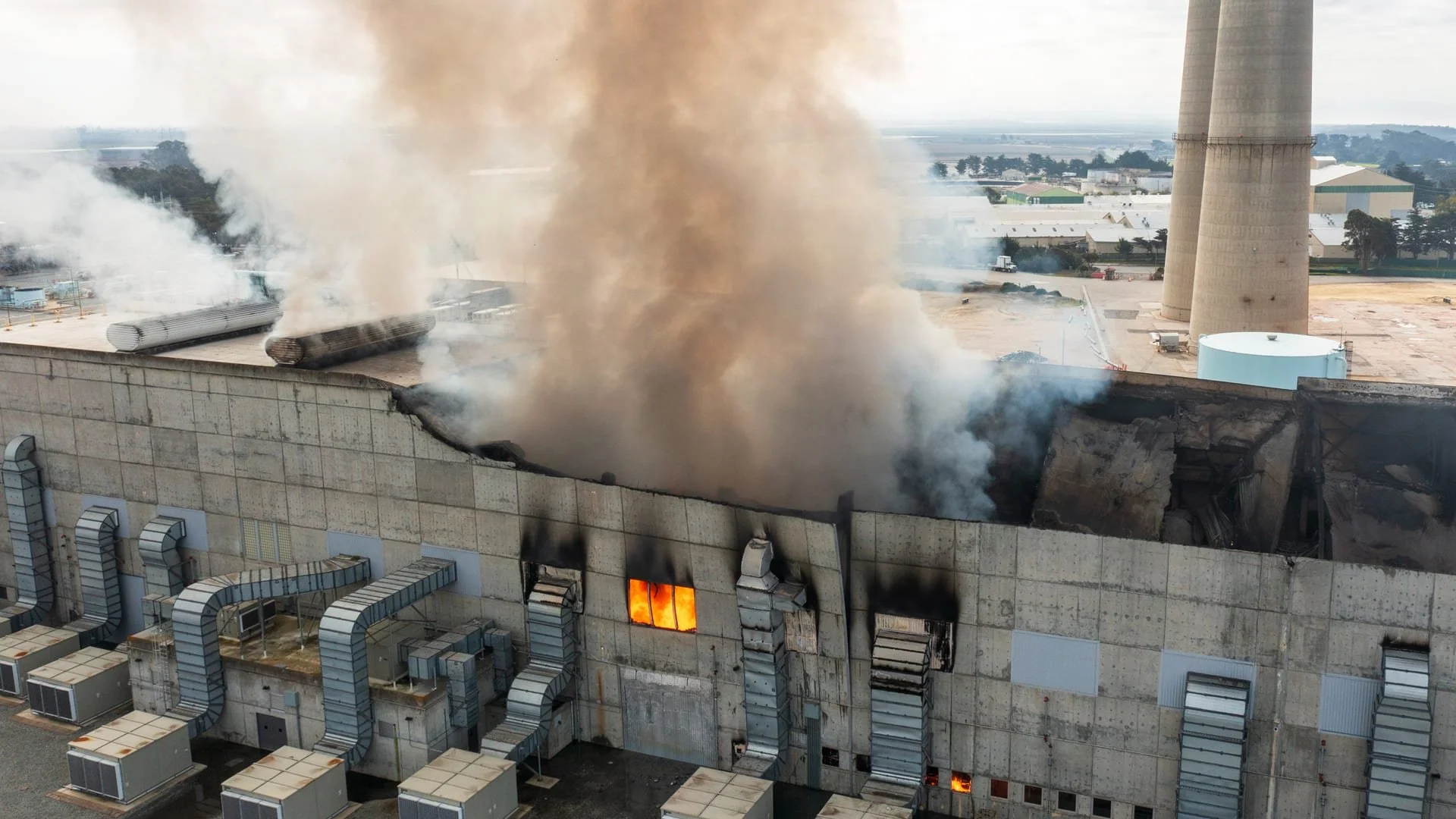
County officials and the EPA later confirmed that the fire overwhelmed the facility’s suppression systems and burned through thousands of battery units. Firefighters were unable to put out the fire using traditional methods. The lithium ion batteries went into thermal runaway, making the fire essentially self sustaining. Fire crews had to stand back, contain the perimeter, and let the system burn itself out while monitoring for explosions and toxic smoke.
Months after the fire, residents continued to experience symptoms from breathing in the toxic fumes like persistent coughs, headaches, burning eye and respiratory irritation. Despite repeated testing, officials have not provided definitive answers about long term exposure risks.
This was an environmental disaster with over 55,000 pounds of heavy metals deposited into nearby wetlands, including the Elkhorn Slough area. Cleanup is ongoing and could take up to two years, according to county updates. Residents are upset that they still have not been given any real answers about the long term environmental impact of the fire. They still don’t know whether their soil is safe, whether their water is contaminated and whether long term ecological damage is being monitored.
I spoke to scientist Michael Hogan from the Ca Arts and Sciences Institute who is extremely knowledgeable about the hazards posed by lithium batteries and he has been following and monitoring the impact and clean up. He feels that these BESS facilities are extremely dangerous and should not be placed anywhere near residential neighborhoods or agricultural land. He also stated that technology is advancing and in the near future we may have a far better system for energy storage so leaders should pause the building of more of these unsafe facilities.
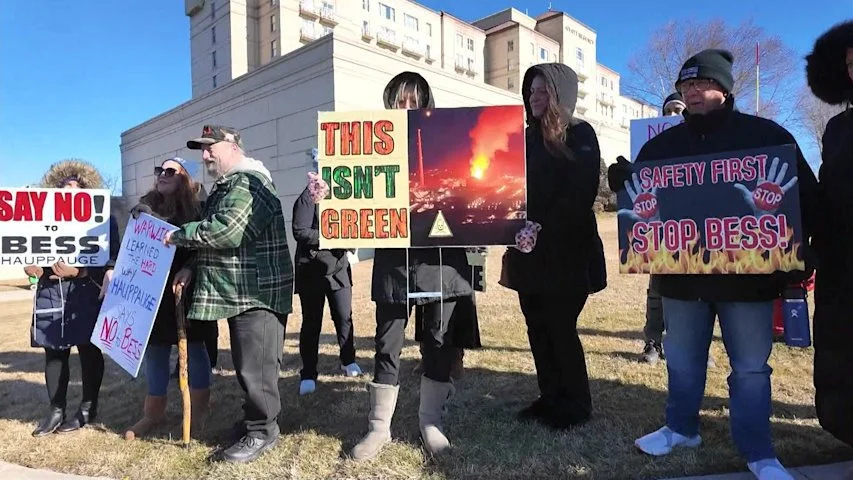
But despite the Moss Landing disaster, more lithium ion storage facilities are planned for both Monterey and Santa Cruz counties, including large-scale proposals near Watsonville, in residential and agricultural areas.
There has been intense public backlash at meetings in both counties, with residents citing Moss Landing as proof that these facilities can fail catastrophically, fire suppression systems are not reliable, toxic smoke and runoff pose real risks and local communities bear the burden while energy companies profit. In spite of the risks to the community and environment, State leaders have pushed for expanded battery storage to meet renewable energy mandates, rather then waiting for the safer technology that would keep communities safer. And of course, there is always money, in the form of government grants and subsidies and politics pushing their agenda.
Across California, eight lithium ion battery storage facilities caught fire in 2025! Community groups argue that the state is prioritizing grid goals over public safety and have called for a ban on these facilities but their cries are falling on deaf ears and these projects are moving forward.
As more BESS facilities are planned in Santa Cruz and Monterey counties, the Moss Landing fire has become a symbol of a larger debate. How fast should California push battery storage and at what cost to local communities? Why the rush to build these plants near residential communities when they are not safe?
For many residents, the anniversary of the Moss Landing fire is not just a date, it’s a reminder that they are still living with uncertainty. Residents want transparent environmental testing, Independent health assessments, accountability from Vistra and a pause on new facilities until safety is proven, not promised.
As Monterey and Santa Cruz counties consider new proposals, the memory of January 16, 2025 looms large. And for many, the question remains:
If the world’s largest, most advanced battery facility could fail this catastrophically , what does that mean for the next one?